Warming homes & hearts with winter supplies in Lebanon
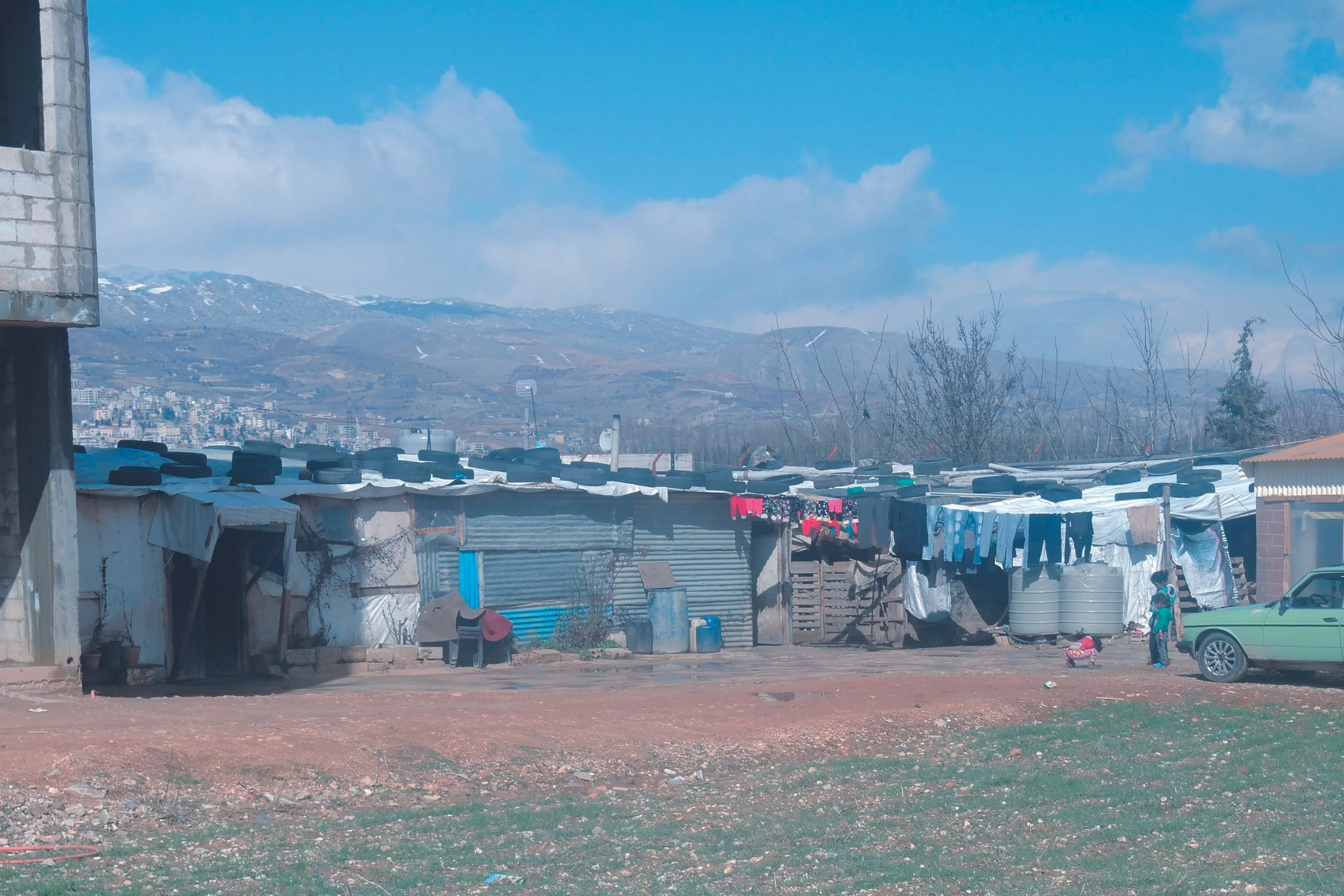
Winter in the Beqaa Valley, Lebanon
It’s winter and snow now covers the mountains surrounding Lebanon’s Beqaa Valley, where many Syrian refugees shelter. The season’s icy chill cuts through their tiny, fragile dwellings, scattered amid the frosty hillsides.
It is in this harsh environment that Embrace partner MERATH (Middle East Revive and Thrive) provides their annual Winterisation Programme for displaced and disadvantaged families - delivering heaters and fuel assistance, blankets, jackets, mattresses, tarps, and other essential items. Thousands of people benefit from the support, including long-time Syrian refugees, families who fled Syria more recently due to the renewed sectarian violence, and also vulnerable Lebanese households.
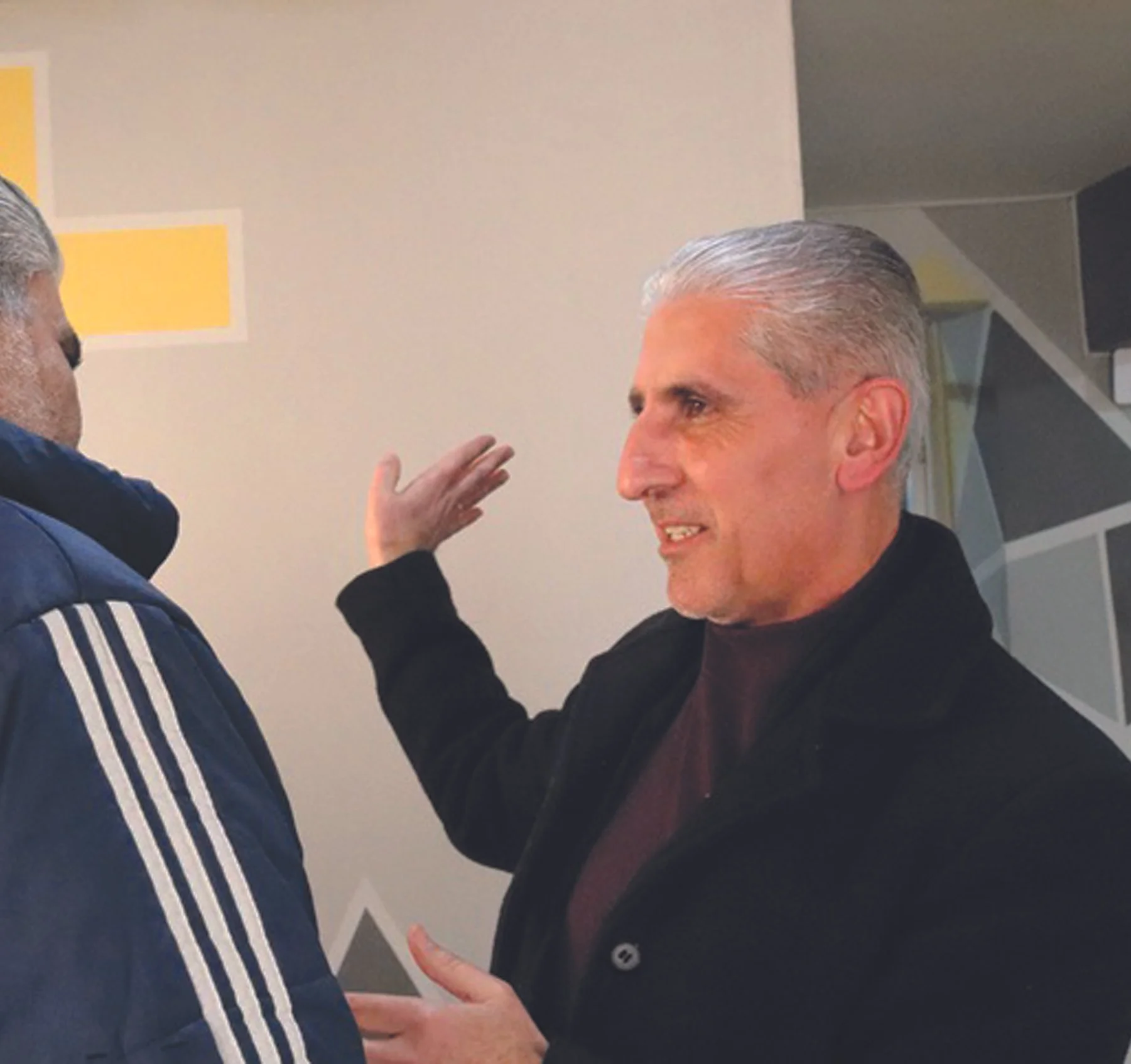
Local churches distribute the winter supplies that your generous support helps fund. Hanna is part of one of these relief teams.
We follow Hanna through a typical day as he meets three different families in the Beqaa Valley, offering support to meet physical, emotional and spiritual need.
Ali’s Family*
The cold mid-January morning starts with a family with five children arriving at the church relief centre, where Hanna works, to collect aid. They fled sectarian-based violence in Homs, Syria, forced from their home by heavily armed men, and arrived in Lebanon in May 2025.
The family’s journey to Lebanon was difficult, escaping through wilderness, crossing a river between the borders and entering Lebanon through smuggling routes.
They have settled in the Beqaa Valley but living without legal residency presents further challenges. In Syria, Ali was a business owner, now he earns just $50 a week working nine-hour days at an auto-electrical shop. Ali’s eldest daughter is 16 and works at a local supermarket to help with the family bills. Their monthly rent is $150 not including water, food and other essentials. Most weeks the family can only eat by borrowing food then repaying at the end of the week when Ali receive’s his pay cheque.
Living in constant fear of deportation, the family essentially live in hiding and in the interest of safety the children are not allowed to leave the house. Ali is emotional when he says:
‘They don’t go to school. They often ask me to show them around Lebanon, but I am afraid. The church help us a lot. They give us blankets, monthly food baskets, cleaning supplies and a fuel allowance. It came like a gift from heaven during this storm.’
Fadi’s Home*
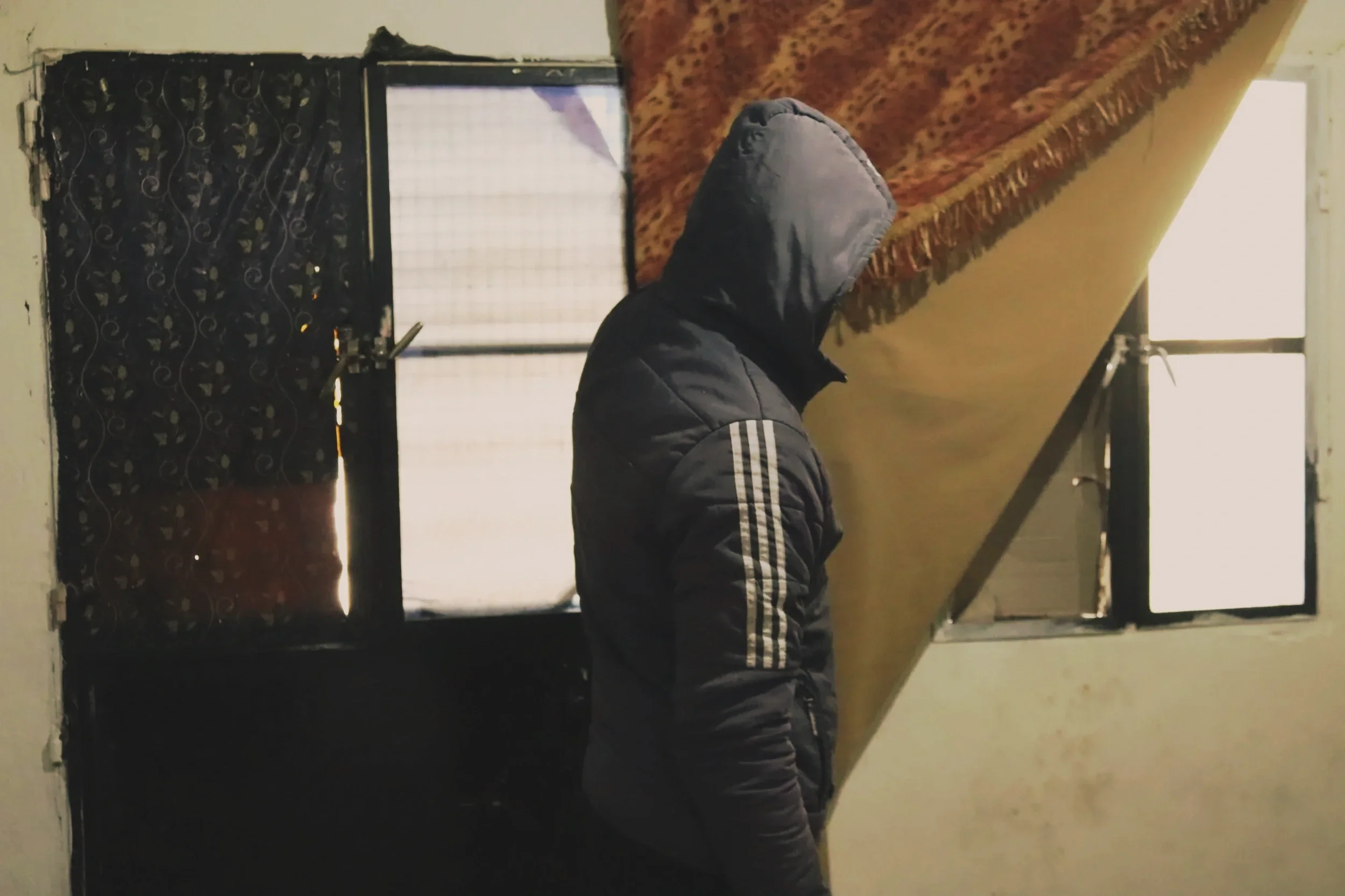
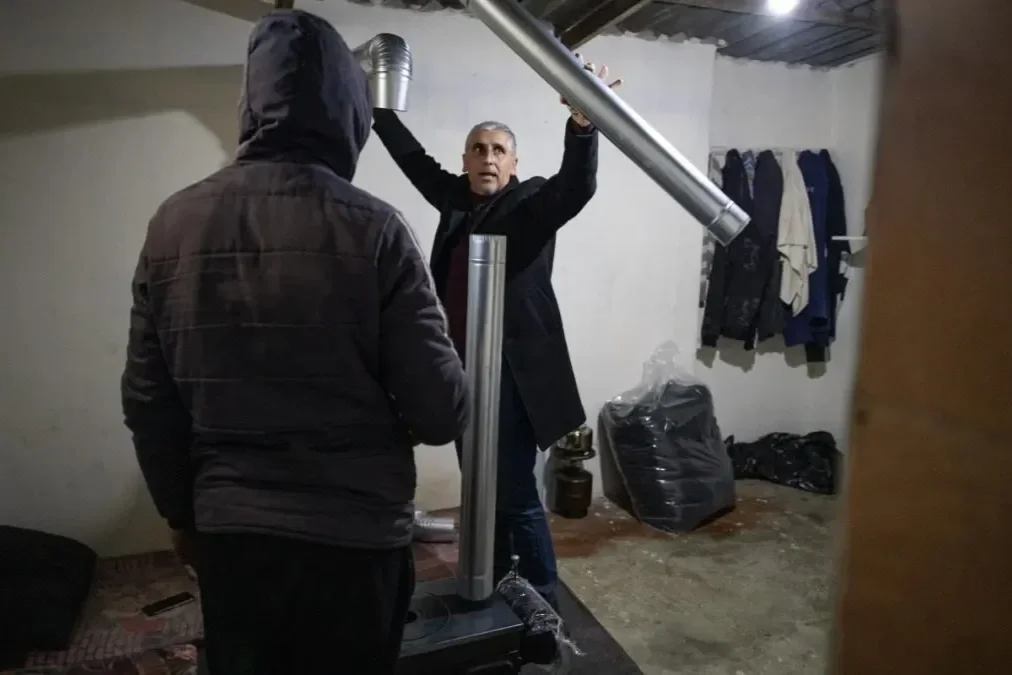
Later that same morning, Hanna arrives at a little shed. The aluminium roof leaks. Two thin mattresses, borrowed from neighbours, are on the floor. Electricity barely reaches this home, a single lamp illuminates one area of the small room, leaving the majority cloaked in darkness and the temperature inside the home several degrees colder than the harsh winter wind blowing outside.
This is the home of Fadi and his son. They fled from Syria because of sectarian violence but are now separated from the women of their family, Fadi’s wife and daughters.
Fadi describes how they came to settle in the Beqaa Valley:
‘We came because of the security situation after the fall of the former Assad regime. Work opportunities are scarce here. I take any labour I can find, even outside my profession. Some days we don’t eat because there is no money.’
Fadi is in his mid-forties but years of hardship have taken a visible toll and the cold and damp conditions of their residence are negatively impacting his health.
‘I had a heart attack-like episode because of the cold. I was at risk of a stroke. They put me on machines in the emergency room and gave me medication. If I bring my daughters into this situation I will harm them and make them sick, tired and stressed.’
Today, the purpose of Hanna’s visit is to fit a heater along with a supply of fuel to burn. With Fadi’s help, the heater is installed between the matresses, literally creating a hearth at the centre of their home.
Sarah’s Home*
In the afternoon, Hanna and the MERATH team visit a married couple living in a deteriorating building. They also left Syria to escape sectarian-based violence and are both currently unemployed.
Although living in Lebanon presents an important opportunity for safety, Sarah, who was a ballet instructor running multiple dance centres in Syria, cannot help but long for the life she has left behind:
‘God gave me the talent to work with children with love. I trained 70 or 80 children at a time. I was pursuing my dream and my husband supported me throughout. He helped with theatre supplies, transportation and venue bookings. During the war we gave many performances across the country.’
Hanna has helped Sarah and her husband a great deal since they arrived in Lebanon, visiting them in their modest home and providing blankets, food parcels and fuel assistance. As well as the practical help available, Hanna wanted to give an opportunity for Sarah and her husband to meet more people and become more integrated into a caring and supportive community so he invited them to a service of evening prayers at the church.
Though they had never been to a church before, Sarah and her husband decided to accept Hanna’s invitation because they knew they were each carrying a lot of stress from all the life upheaval that they have experienced over the past year. Sarah reflects:
‘I felt distressed because we could no longer help people; now we are the ones who need help.’
During the evening prayer service, Sarah said that she felt the presence of God for the first time and prayed with deep faith. Now she and her husband regularly attend church and feel part of the community - perhaps this is the start of a new chapter where Sarah can do what she is so passionate about and begin to help others again.
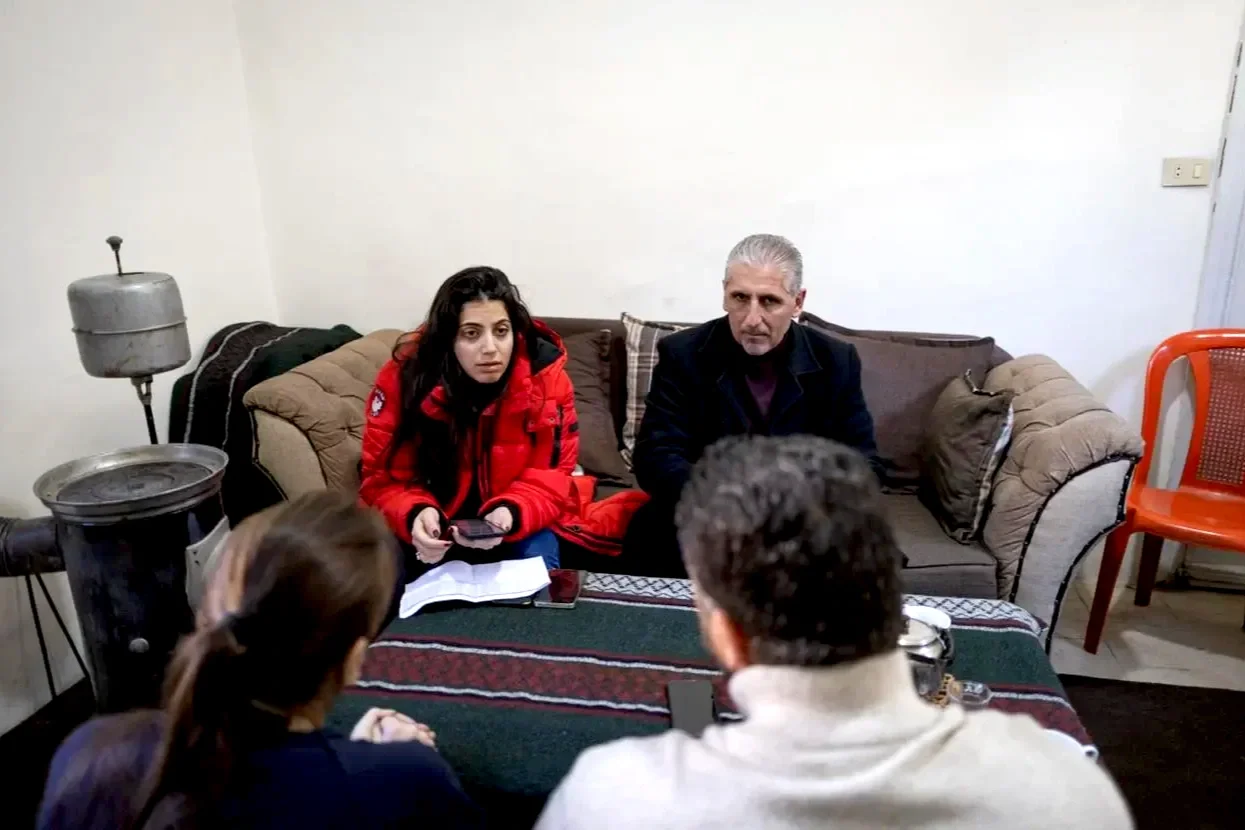
Hanna’s Reflections
Hanna is keen to emphasise that, despite the changing circumstances in Syria, the refugee crisis has not stopped:
‘To this day, new families are coming to Lebanon from Syria. Before, they were fleeing the war. Now, after witnessing several sectarian-based massacres, Syrians from minority groups are leaving because they are afraid they might be targeted next. Many of the people who recently arrived from Syria don’t even have the most basic necessities. They have left everything behind and lost all that they had. As many of them get robbed on the way, they arrive to Lebanon with nothing but the clothes on their back. They hear about us by word of mouth and they contact us, after which we visit them to hear their story and assess their needs.’
‘I am myself Syrian, and I was in Syria when the war started in 2011. Our church there quickly started helping people displaced by the war. We were taking care of 1,500 families, so I know what it means to be displaced, and I know what it means to be wounded. I am used to hearing difficult stories, but what I have been hearing from the newly displaced Syrian refugees is hard to process, even for me, so I can barely imagine for the people themselves.’
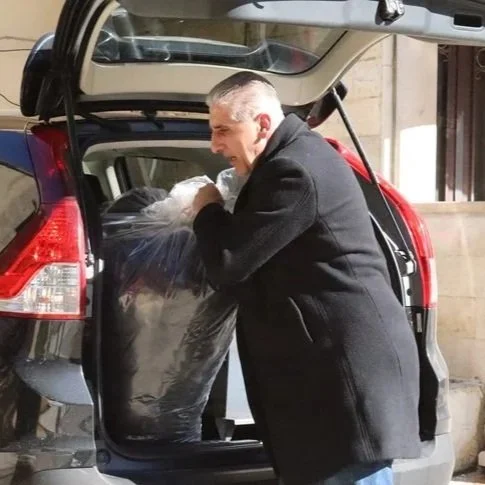
‘We can help with some food and winter items, but nothing we give can make up for the loss people experience. That’s why material help is not enough; people desperately need psychological and spiritual care too. The love of Christ is the only thing that can help them start healing.’
‘This is the work of mercy that Christ commanded us to do.
When we visit people in their homes, we show them the love of Christ, the love that is missing today on this earth.’
*Names are changed to protect identities.
Information taken from a blog by Ghinwar Akiki, communications co-ordinator for Thimar-LSESD. Used with permission.
Light in the Omni-crisis
One man’s story of faith, resilience and hope
Serop Ohanian, director of Karagheusian Healthcare Centre, Beirut, visits us in London, Sun 1 March
YOU MIGHT ALSO BE INTERESTED IN…
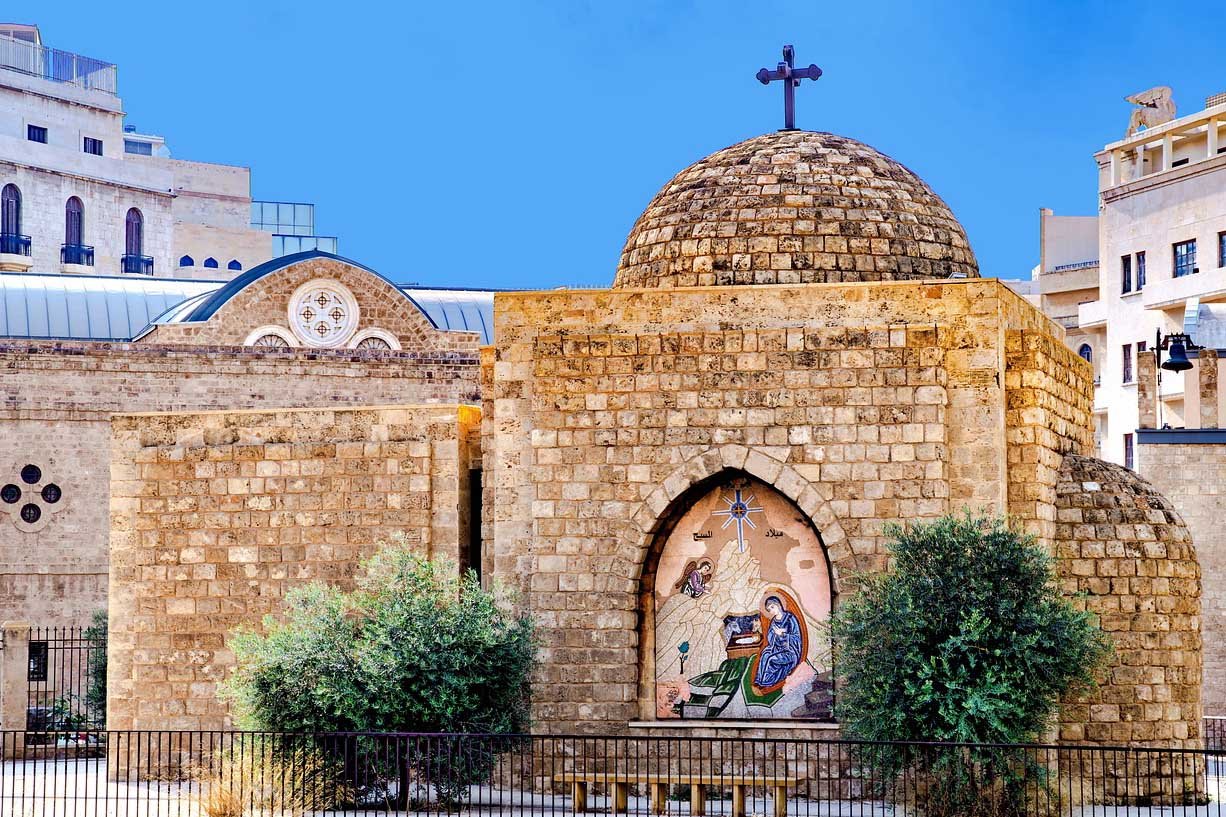
CHRISTIANS IN LEBANON
Find out more about the experiences of Christians in Lebanon today
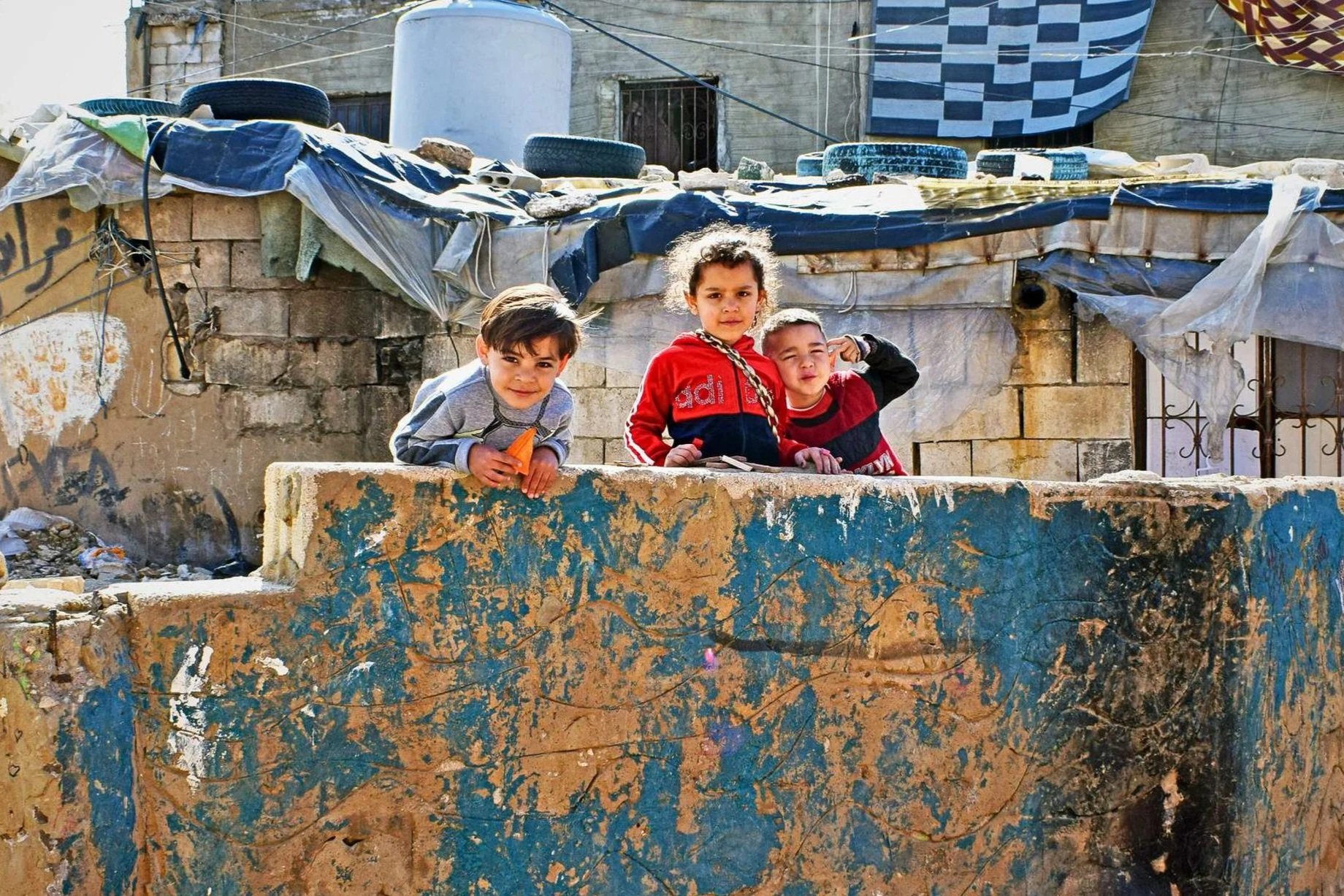
DIGNITY, RECOGNITION & PROTECTION
Legal aid for undocumented citizens in Lebanon