Healing the invisible wounds of war: Mental health support
A mental health crisis is surging in the region – our partners are responding
The recent years of escalating conflict across the Middle East have not only destroyed homes and communities, but has left many battling with mental health issues from profound trauma, stress, and ever-present sense of insecurity.
Our partner the Jerusalem Princess Basma Centre provide specialist disability rehabilitative therapy for children at their satellite clinic in Gaza City. They tell us that the war and ongoing crisis means they are seeing their patients arriving with: “unparalleled levels of trauma and distress … with fearful, angry and withdrawn children unable to sleep, speak, play and participate in life.”
This spiralling mental health crisis needs urgent intervention – and we and our partners are responding, helping young people as they work to rebuild their lives and build a more hopeful tomorrow. Some have bravely shared their stories with us:
Maya’s story: Coping with the fear and distress of displacement in Lebanon
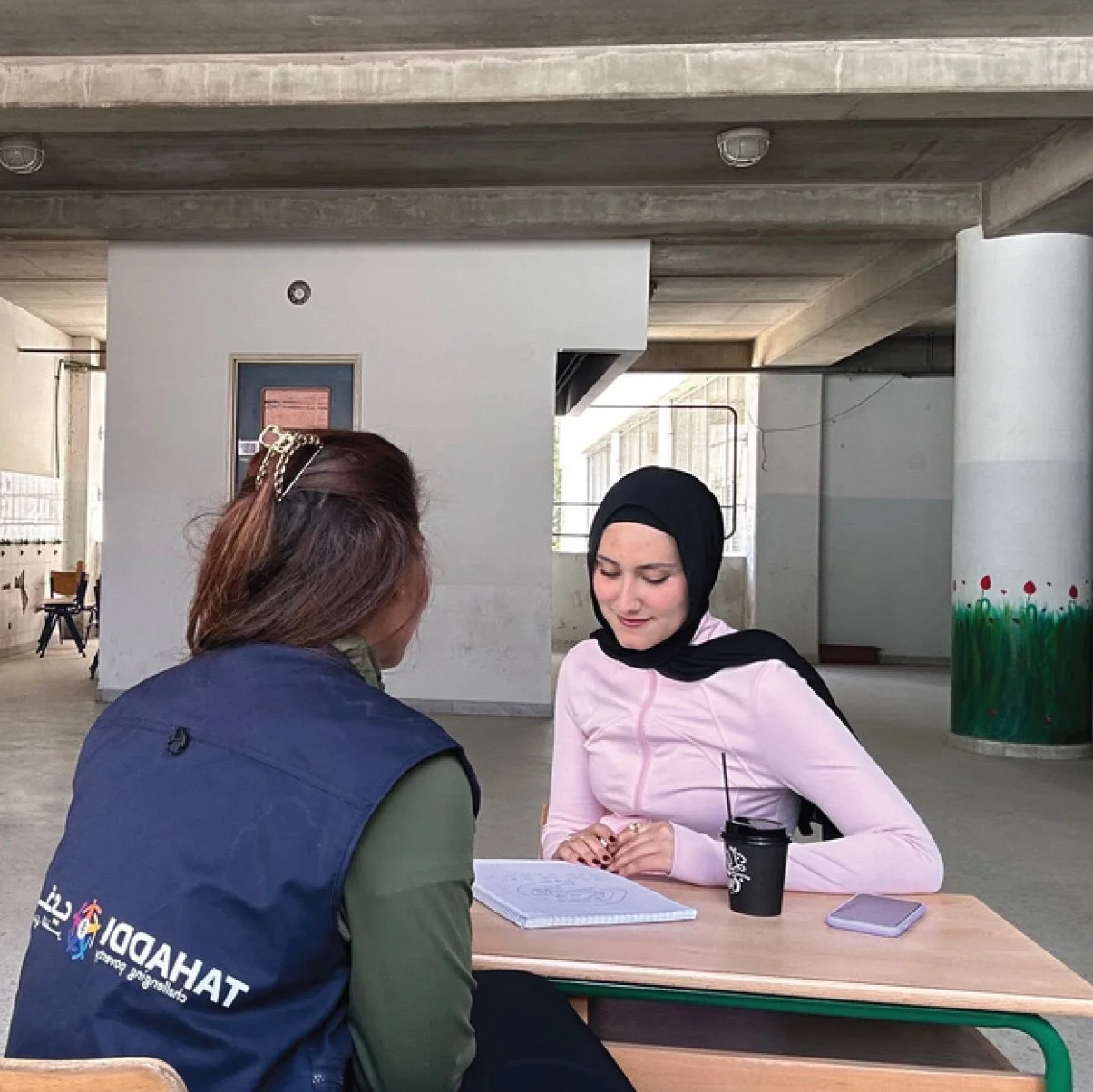
As the recent war engulfed much of southern Lebanon, Maya had to flee her home with her family and endured 10 terrifying days with no shelter except their car as airstrikes struck across the country. Still unable to return to her damaged home, the experience has left her struggling with a complex mix of emotions, but she’s found help thanks to one-to-one intervention sessions run by our partner Tahaddi.
Ali’s story: building hope and resilience amid climate of fear in the occupied West Bank
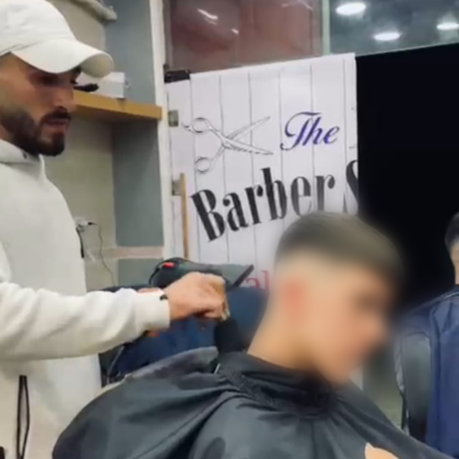
Ali is on the cusp of starting his own business as a professional barber – but to get here, he’s had to overcome huge challenges. The Israeli occupation of the West Bank is profoundly affecting the lives of many Palestinians and Ali is no exception. Young Palestinians talk of growing up amid ever-present fear: fear of settler violence, fear that their homes or family land will be confiscated, fear that they will be arrested by the Israeli occupying authorities.
At 21, Ali has been arrested three times, leaving him struggling with anxiety, fear of re-arrest, sleep disturbances, and a persistent sense of insecurity. When Ali joined the Rehabilitation Programme run by our partner East Jerusalem YMCA, he not only found psychological support but also vocational training to help him reimagine his future.
George’s story: supporting children traumatised by war in Gaza
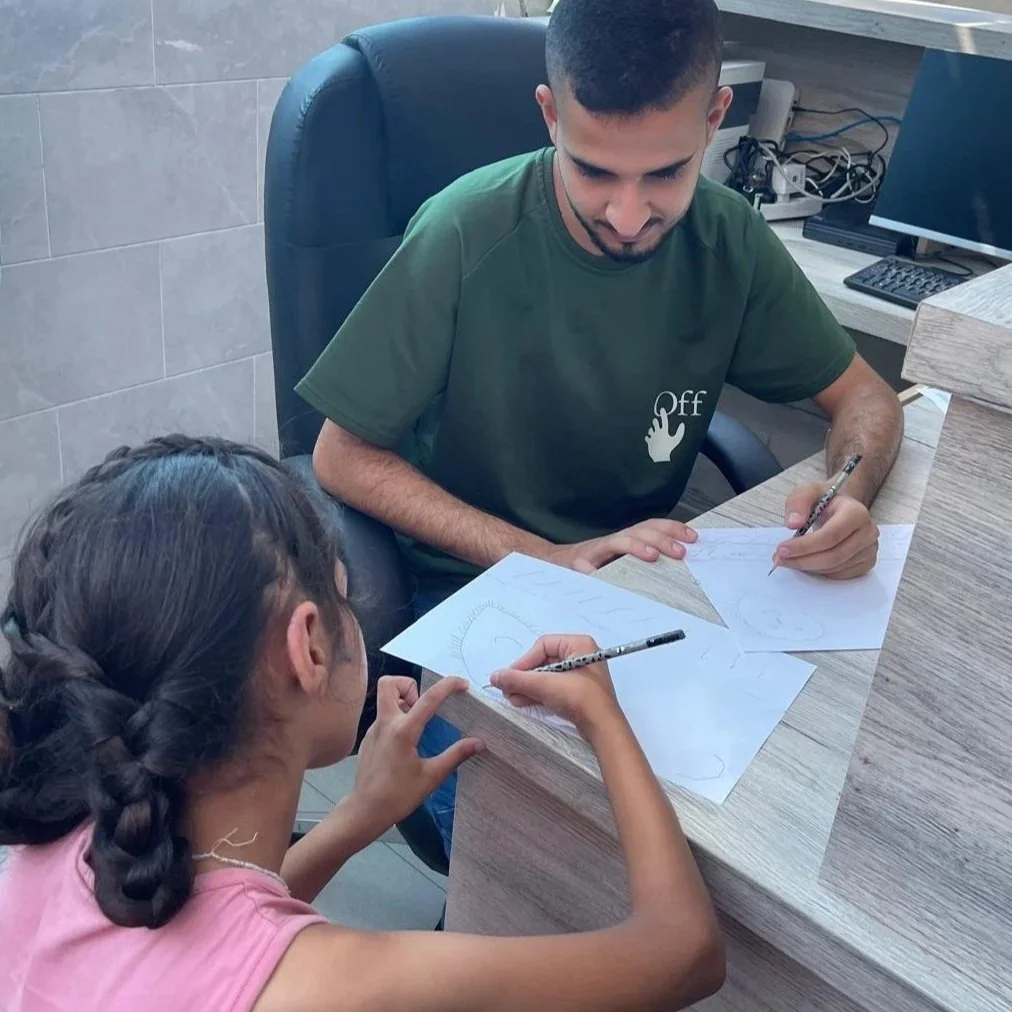
“Play therapist” may sound like a surprising role for our Gaza partners to prioritise among their teams of medical professionals, but George’s expertise in the disability unit of our partner the Princess Basma centre in Gaza city is vital. Children in Gaza have seen and heard things no child should ever have to. The horrors have left many shutdown – struggling to speak or interact. Before the team can help them to cope with their physical injuries or conditions, they often need to address their psychological wounds. George spoke to us about the children he works with and how play therapy is proving to be a powerful tool in helping children find a safe outlet for expression and healing.
Mental health care for the responders
Our partners’ staff are locals, living through the same crises and horrors as those they are helping.
While faith and compassion motivate them to continue their work against all odds, they too are at risk of burn out, PTSD and emotional fatigue born from the trauma of back to back crises over many years. As one partner in Lebanon reflected, “As a church, we didn’t have the privilege to grieve...We have to move on, from one trauma to the next.”
To respond, alongside our project funding, we’ve been providing Wellbeing Grants that our partners can use specifically to look after the mental and emotional wellbeing of their staff. From facilitated workshops and psychological support to retreats and team building days to provide much-needed spaces for reflection and decompression, it’s enabling staff to get the vital support they need. In the words of our partner Musalaha:
“Creating space for rest, reflection, and shared experiences is not a luxury but an important investment in the long-term wellbeing and effectiveness of our staff.”
The psychological wounds of war are deep and long-lasting, and conflict in the region is far from over. It will be a long and hard road for many of those trying to rebuild their lives amid continuing uncertainty and upheaval. But expert treatment and rapid intervention makes a significant difference to long-term recovery - and it is something that our partners on the ground are uniquely placed to provide.
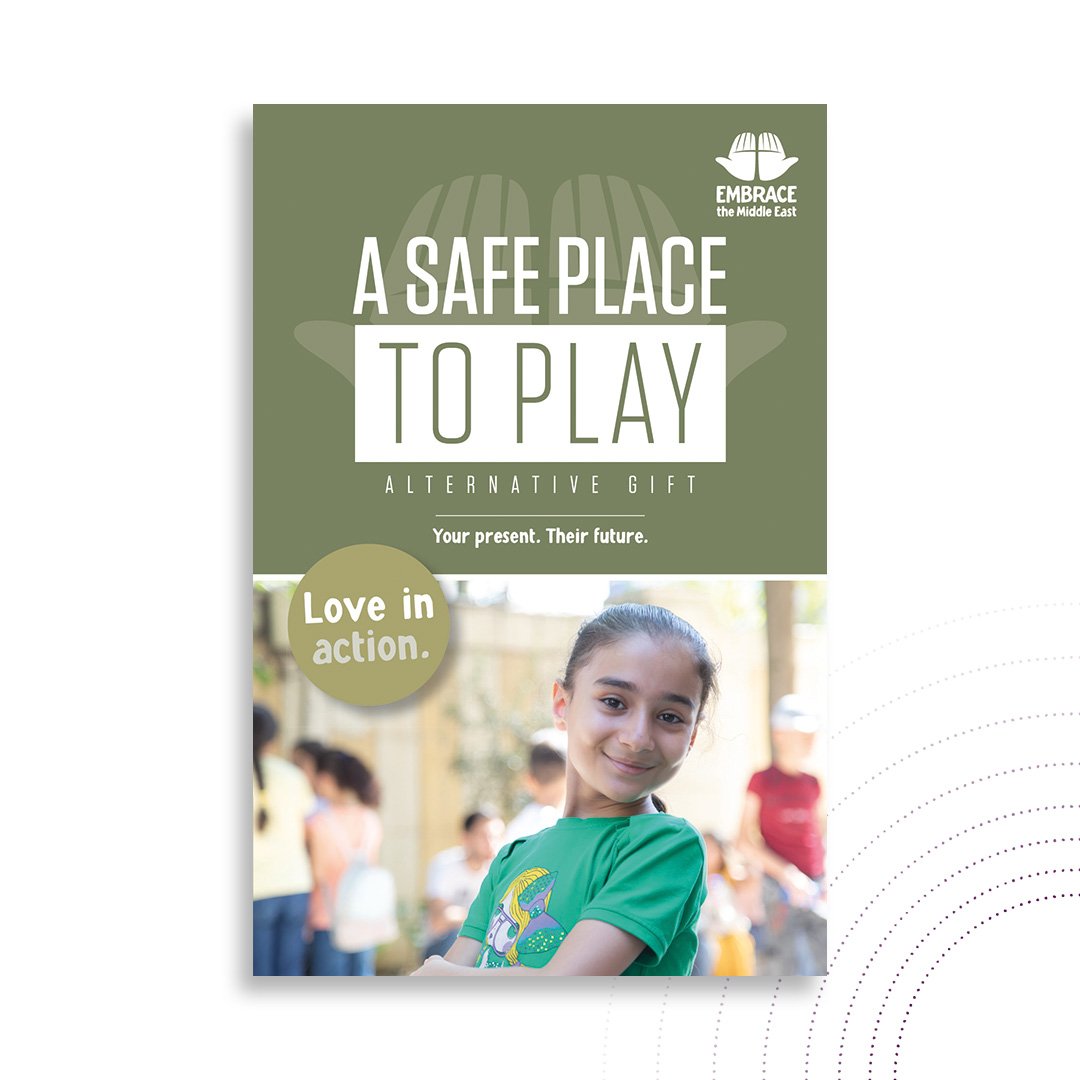
Give a priceless gift - help bring peace of mind
Buy our Safe Place to Play alternative gift and you’ll pay for a Syrian child who’s grown up amid conflict and crisis to attend a Child Friendly Space several times a week; improving their mental wellbeing through play, creativity and friendship.