
Weekly devotion: Discarded by Society, Welcomed by Christ
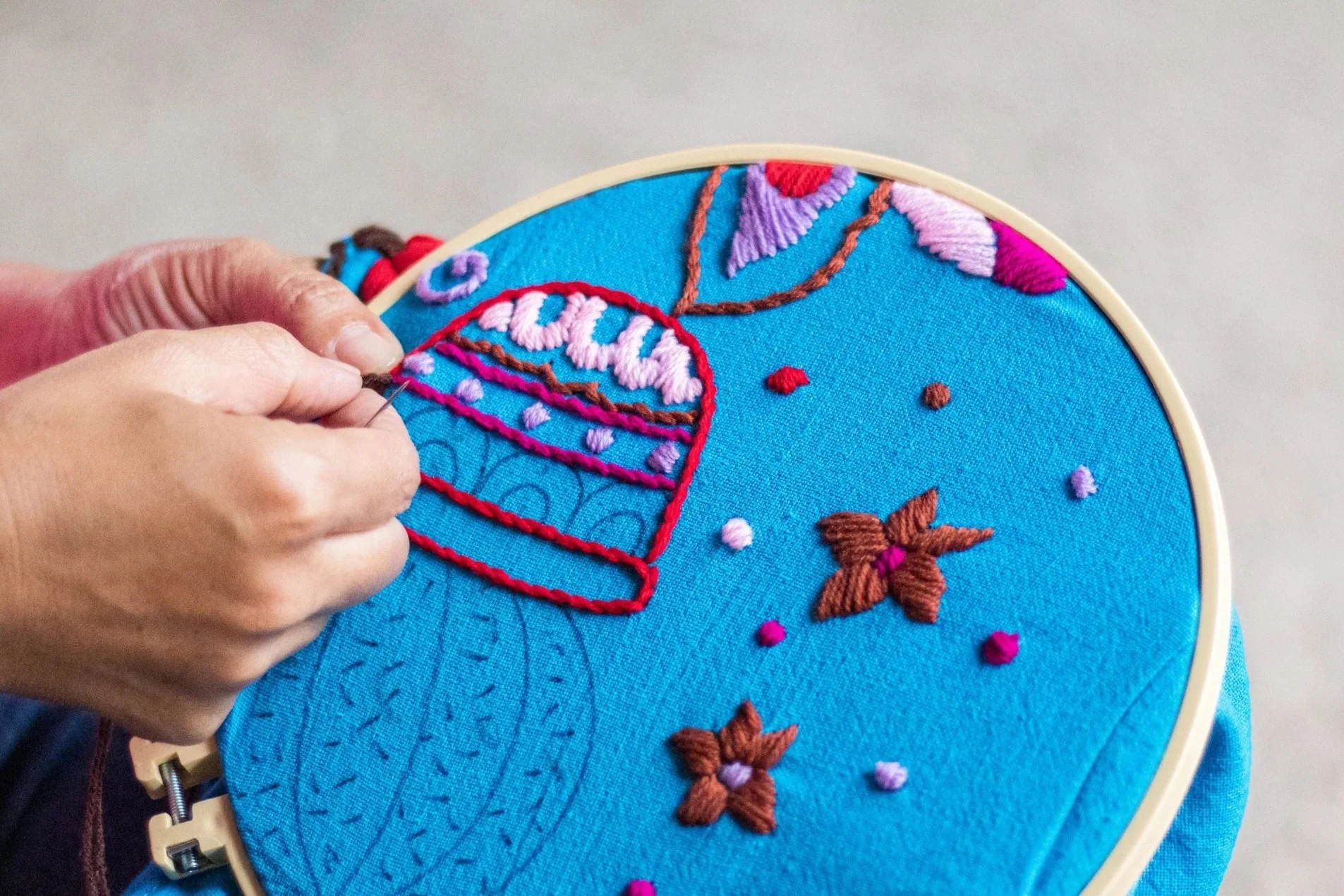
Jesus asks us to remember those in prison. This week we pray for two of our partner organisations in Lebanon: Beit el Nour (House of Light) and Dar Al Amal (House of Hope), together they form the House of Light and Hope (HLH), an NGO working for the rights and dignity of incarcerated women, and supporting them to thrive on release.
Embrace partners Beit el Nour and Dar Al Amal have worked for more than 55 years to protect the rights and dignity of vulnerable women and children. This includes the women many people would rather forget – those in prison.
We support their work with female prisoners, particularly at Tripoli on Lebanon’s north-west coast. Most of the women there come from marginalised backgrounds and are accused of non-violent offences such as fraud, drug-related charges and prostitution. The majority are awaiting trial. The prison is severely overcrowded and food supplies are unstable – a situation that can only be worsened by the current war.
But prison is only part of the struggle for these women. When they are eventually freed, the stigma of having been detained can mean rejection by family, difficulty finding work, and exclusion from their communities.
Our partners’ ministry aims to change this. They campaign to improve prison conditions, ensuring the women are treated with dignity. They also offer the Renewed Fabric of Hope course, training women in skills such as tailoring and embroidery to help them rebuild their lives and find meaningful employment after release. Alongside these important practical actions, the organisation advocates for greater acceptance of former prisoners in society, helping women find a path away from exploitation and back into a positive and purposeful place within their community.
Bible reading
‘For I was hungry and you gave me food, I was thirsty and you gave me something to drink, I was a stranger and you welcomed me, I was naked and you gave me clothing, I was sick and you took care of me, I was in prison and you visited me.’ Then the righteous will answer him, ‘Lord, when was it that we saw you hungry and gave you food, or thirsty and gave you something to drink? And when was it that we saw you a stranger and welcomed you, or naked and gave you clothing? And when was it that we saw you sick or in prison and visited you?’ And the king will answer them, ‘Truly I tell you, just as you did it to one of the least of these who are members of my family, you did it to me.’
Matthew 25:35-40
Thought
Jesus’ message in this passage is startlingly clear: when we care for those who are hungry, excluded, or imprisoned, we are serving him. Yet the idea of ministering to people in prison can feel uncomfortable. The women incarcerated at Tripoli carry stories of poverty, abuse, difficult choices and serious mistakes. Perhaps, at first glance, they would not seem to be members of ‘polite society’.
Yet Jesus’ words confront us, asking us to see beyond labels such as ‘criminal’ or ‘inmate’ and recognise each individual’s God-given dignity. If Christ is present among the forgotten, then our faith must move us towards them with mercy rather than judgement.
Ask yourself: Who are the people in your own society that are easily dismissed or written off – and how might God be inviting you to see them differently?
Prayer
Lord Jesus,
Your words teach us that when we care for those who are forgotten, we are serving you.
We bring before you the women in Tripoli prison and all those who feel ashamed, rejected, or without hope. Surround them with your mercy and restore their sense of worth.
We pray for those who visit, support, and advocate for these women.
Give them wisdom and perseverance as they work to improve conditions
and create fresh starts and bright futures.
Help us to recognise dignity in all people, just as you see it in us.
Amen
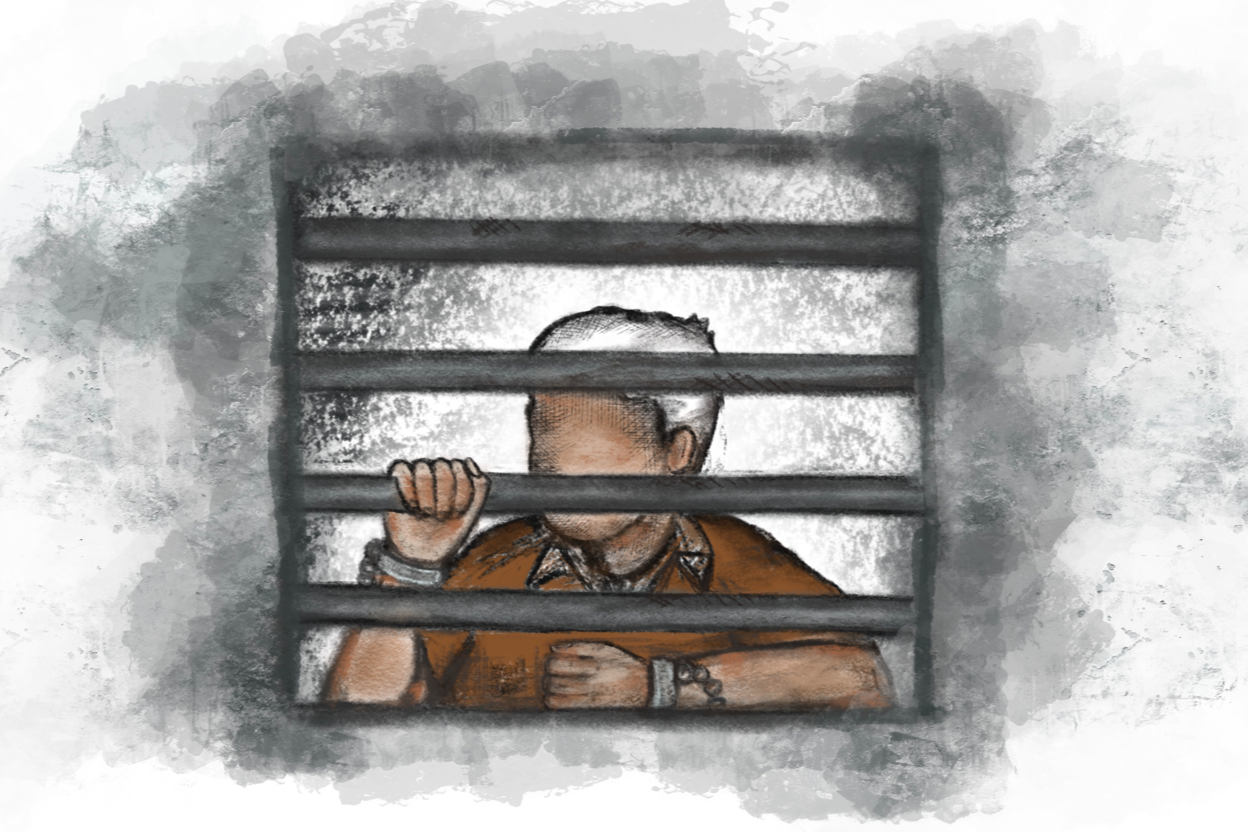
Stop military detention of children
in the West Bank
Embrace's campaign ‘Childhood Behind Bars’, calls on the UK government to put pressure on Israel to end military child detention in the West Bank, and also address the root cause of it – the occupation.
Inspired by what you read here? Share it on social (don’t forget to tag Embrace!):