Seeds of reconciliation planted by Israel’s Teachers
‘Peacemakers who sow in peace reap a harvest of righteousness’ - James 3:18
Two teachers sit across the room from one another.
Before today they have never spoken. Despite living only miles apart, their experiences of conflict, identity, and belonging have been shaped by very different realities.
Rather than allowing their differences to create distance, they choose another path. They listen and ask questions. They begin to understand one another and learn how they can foster those same conversations in their own classrooms.
Moments like these lie at the heart of ‘Foundations for Change’, a joint project between Embrace partner Musalaha and the Rossing Center for Education and Dialogue.
At a time when mistrust between Jewish and Palestinian communities in Israel continues to deepen, it is vital to keep the door open for reconciliation and create spaces where honest and respectful encounters can take place
For educators, this means navigating classrooms shaped by grief, trauma and fear, while working within a constrained civic and emotional environment in which expressions of grief or political concern can carry personal or professional risk.
This is why ‘Foundations for Change’ is equipping headteachers and their staff with practical skills, to create environments where people can listen, ask difficult questions and recognise one another’s humanity.
Equipping leaders for change
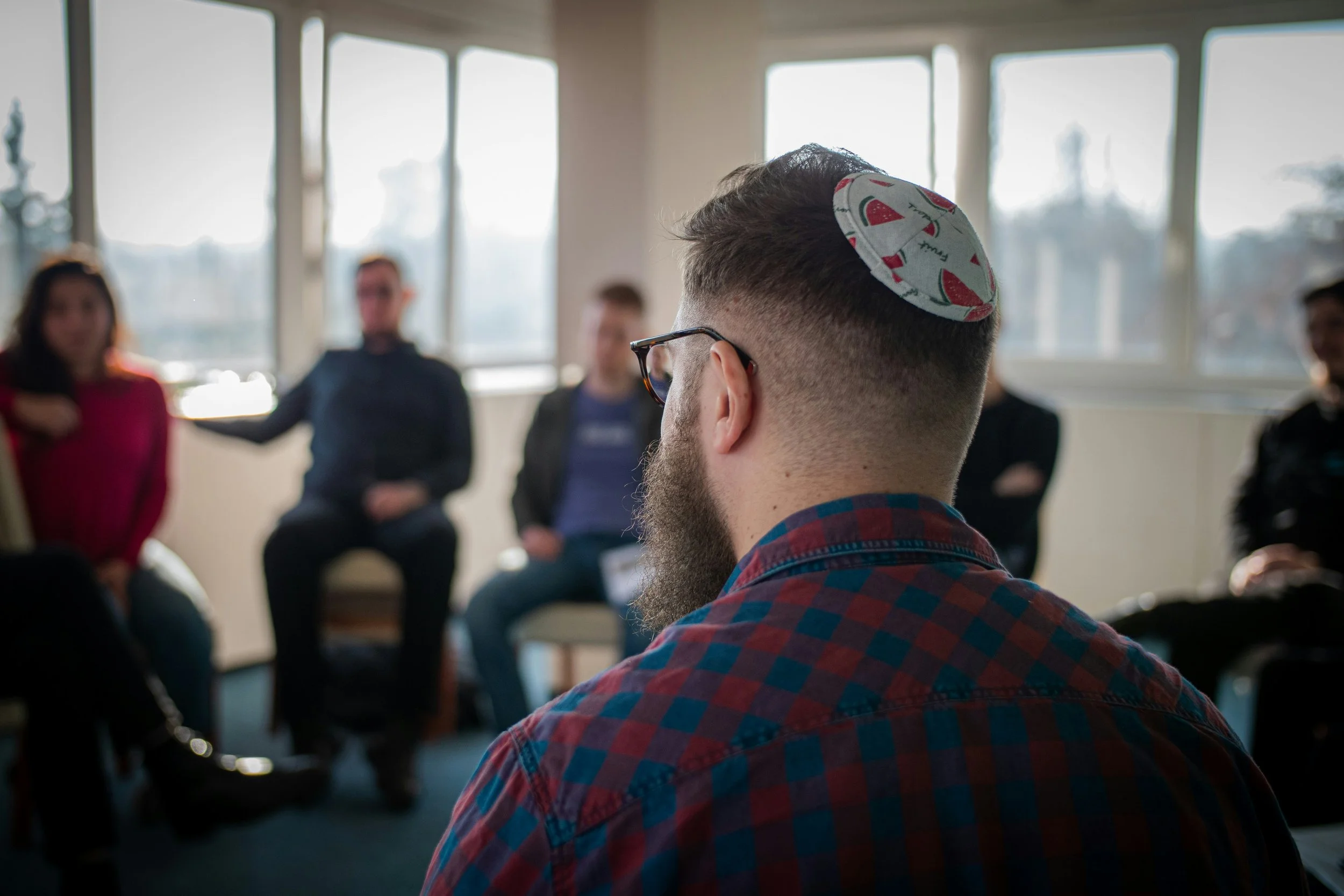
Israel has a largely segregated education system, ostensibly designed to preserve cultural and religious identities. It means Jewish and Arab-Israeli children are educated separately, increasing the chances of mistrust, misunderstanding and racism.
Credit. Timur Shakerzianov.
A key part of the project involves working with headteachers from Jewish and Palestinian schools who, as leaders, can influence the wider culture of their schools.
So far, 14 school leaders have been recruited. A first step for many is examining and understanding their own trauma and perspectives. In January 2026, they took part in a two-day Healing Hatred retreat, focused on personal and mindful listening.
Teacher training sessions to facilitate difficult conversations
As part of the project Haritha took part in teacher training sessions focused on facilitation skills. These sessions equip teachers with the confidence to hold classroom discussions on challenging topics related to the Israel-Palestine conflict. The goal is to help educators create spaces that acknowledge emotional realities whilst making room for dialogue, and human connection. Haritha told us:
‘The programme strengthened me as a facilitator and as an educator. It taught me how to lead complex group processes and hold sensitive conversations with care. What I carry with me now is more than professional experience and practical tools – I have a deeper sense of mission; to keep creating spaces for dialogue, trust, and honest human connection.’
““I have a deeper sense of mission; to keep creating spaces for dialogue, trust, and honest human connection.””
Another participant reflected:
‘It made me thing about how my language affects the classroom atmosphere.’
In a context where grief, fear, and mistrust shape how people encounter one another, these are important steps towards transforming the culture of conversation within and beyond the classroom.
Learning to see each other differently
For Haritha, the need for this work is deeply personal. Having worked in school communities that include Christians, Muslims and Druze, he has seen first-hand the diversity of perspectives, trauma and profound divisions that educators must navigate: "One of the deepest challenges in education is learning to stay present in the face of many narratives, many identities, and many truths."
““One of the deepest challenges in education is learning to stay present in the face of many narratives, many identities, and many truths.””
The project equips teachers with the skills to do exactly that: to stay present rather than turning away when conversations become challenging.
One participant admitted: “I came to the meeting thinking I knew everything, but I left with a lot of questions,”
Another reflected: “The meeting made me realise how little I know, and I want to get to know Arab society better.”
In a climate marked by deep mistrust and heartbreak, it is difficult to overstate the compassion, courage, and humility required to participate in programmes like these. Yet these reflections offer a glimpse into what becomes possible when people are willing to listen and engage with experiences beyond their own.
From teachers to children
Sara, one of the participating headteachers has already seen the impact of the training take root in her own school. Students are becoming more open to difficult discussions and different viewpoints, helping to build the foundations for a future in which people can treat one another not as strangers or threats, but as neighbours.
Her hope is that these experiences will stay with them as they grow: “It is possible to influence young people and give them a good education and respect for others...Without politics it is possible to work on this. People will be able to live in peace.”
““It is possible to influence young people ...People will be able to live in peace.” ”
The long road ahead
Despite these encouraging inroads, the challenge facing Sara, Haritha and their fellow teachers remains immense. Ongoing conflict and political tensions between Israelis and Palestinians continue to deepen mistrust between communities, while opportunities for meaningful dialogue are becoming increasingly limited.
Recruiting schools to participate in this project, has required intensive and ongoing outreach, while some activities have been delayed by bureaucratic obstacles. As a result, the project continues to require flexibility, patience and sustained support.
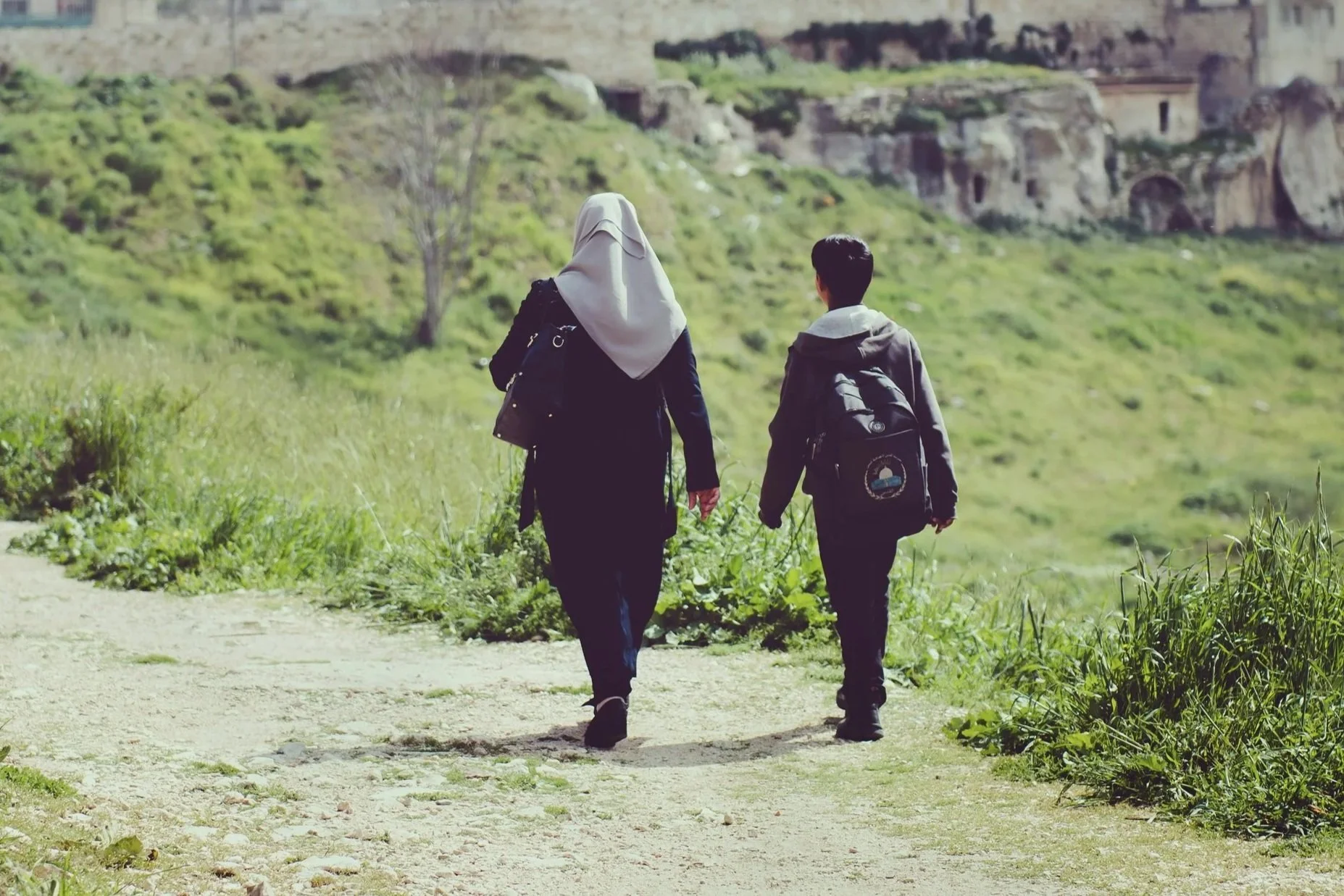
“You feel that there is no hope, no faith…but I’m not giving up. I have to push for it, hold on to hope, hold on to faith in change.” Sara
Reconciliation is rarely built through dramatic moments. More often, it grows slowly, like a seed planted quietly: in a conversation, where someone chooses to listen rather than turn away; in a teacher learning skills to facilitate difficult discussions; in a headteacher recognising the limits of their own understanding; in a classroom where a child learns that difference does not mean division; and in the determination of people who refuse to give up on the hope of a shared and equitable future for all.
As Harita put it, “The experience reminded me that real connection is not simple, but is powerful - and it is necessary.”
““Real connection is not simple, but is powerful - and it is necessary.””
With your generous support, partners such as Musalaha can continue to plant these seeds of trust and mutual respect, standing alongside those who are committed to breaking cycles of fear and misunderstanding in their homeland and taking often costly steps towards peace.
As teachers return to their classrooms, they do so having acquired more than a set of new skills. They have the necessary tools to open conversations, challenge assumptions, and help the next generation imagine what it means to live peacefully together in a shared society.
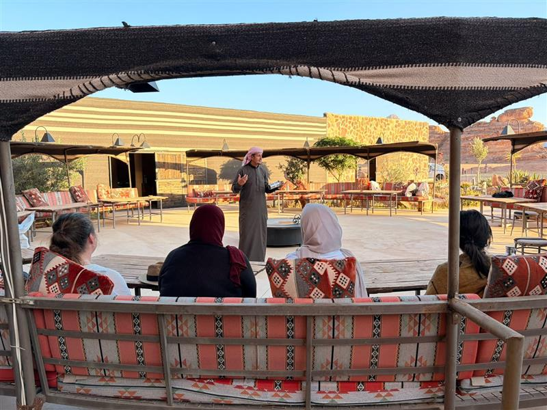
Please help projects like this to continue
We need your generous support so our partners like Musalaha can continue working for reconciliation and a just peace in the Holy Land.
You might also be interested in…
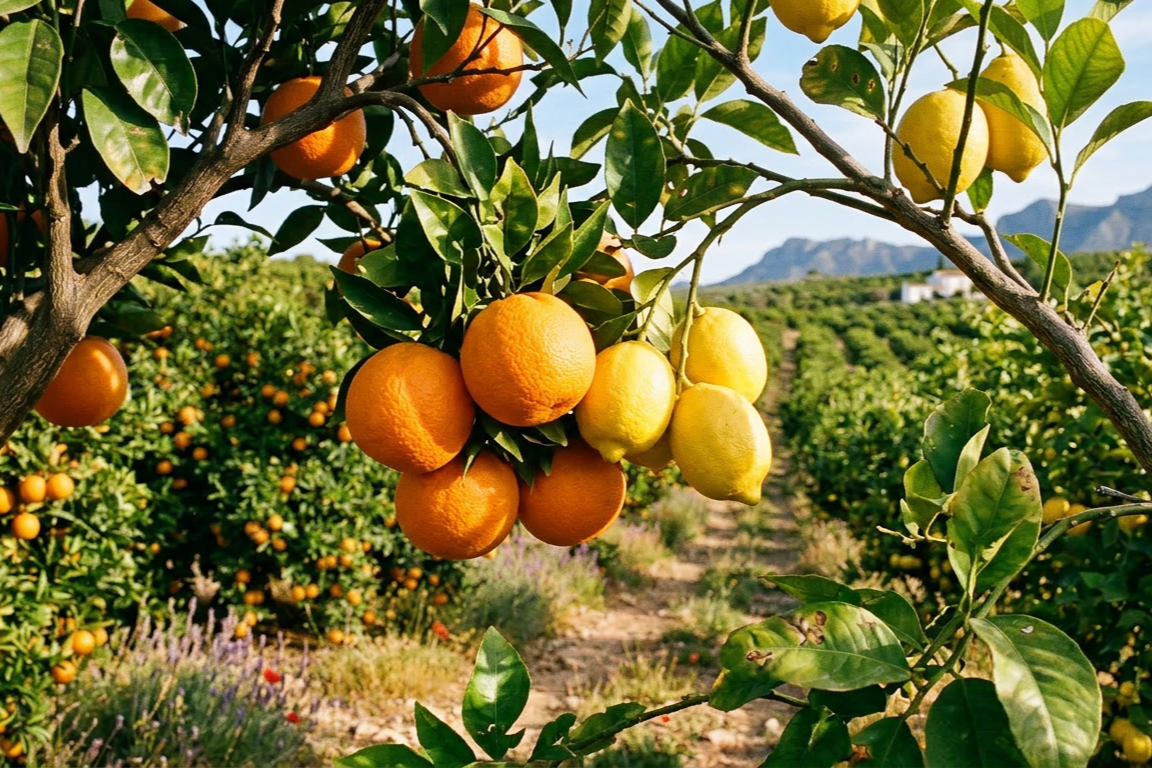
ORANGES AND LEMONS - A REFLECTION FROM BISHOP RACHEL
Embrace patron Bishop Rachel calls on us to challenge the actions of the Israeli government but also stand firm against antisemitism here in the UK.
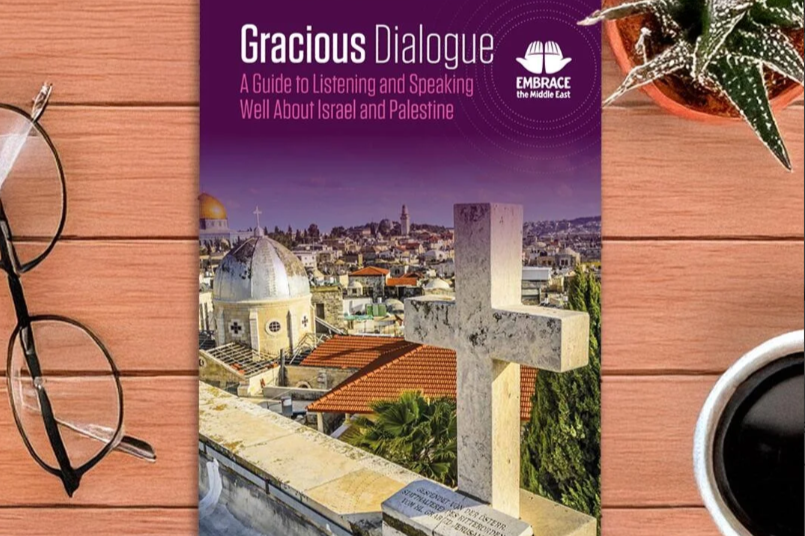
STUDY GUIDE - GRACIOUS DIALOGUE
A four-week course to help churches create space for conversation to engage in the complexities of the Israel-Palestine conflict.