Keeping hope alive as the world shakes beneath our feet
By Revd Su McClellan
“You are no longer strangers and aliens, but fellow citizens with the saints, and members of the household of God.” Ephesians 2:19
There are times when the world seems to shake beneath our feet and we are living through such times today. In the Middle East, the ground has been shaking for far too long. One month since the outbreak of yet another war, this time sparked by US and Israeli military action against Iran and spreading rapidly across the region, millions of innocent people are once again caught in the crossfire. They are not combatants. They did not start this, yet they are the ones bearing the bombing, the displacement, and the grief that accompanies the loss of homes, loved ones, and any sense of safety.
This is not a prophetic drama
There is a temptation as war rages, to scan the horizon of global events for signs of the so‑called “end times” and to fold human suffering into speculative timelines. It is a temptation born of fear, and perhaps of wanting the world to make sense. But such theology is, at best, a distraction and at worst, a way of absolving ourselves from the costly, compassionate solidarity Scripture actually demands of us. Ephesians 2:19 will not let us off the hook. It asks us to see the people of the Middle East not as characters in a prophetic drama, nor as distant strangers, but as members of our own household.
The human suffering in the conflict is vast
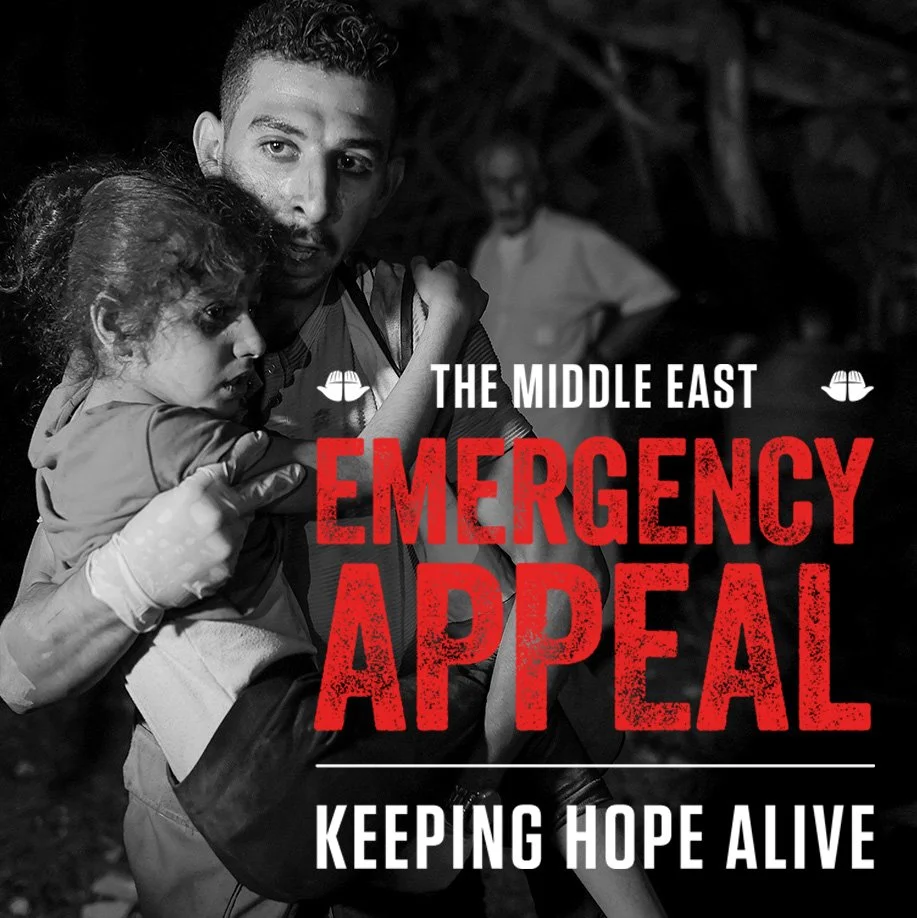
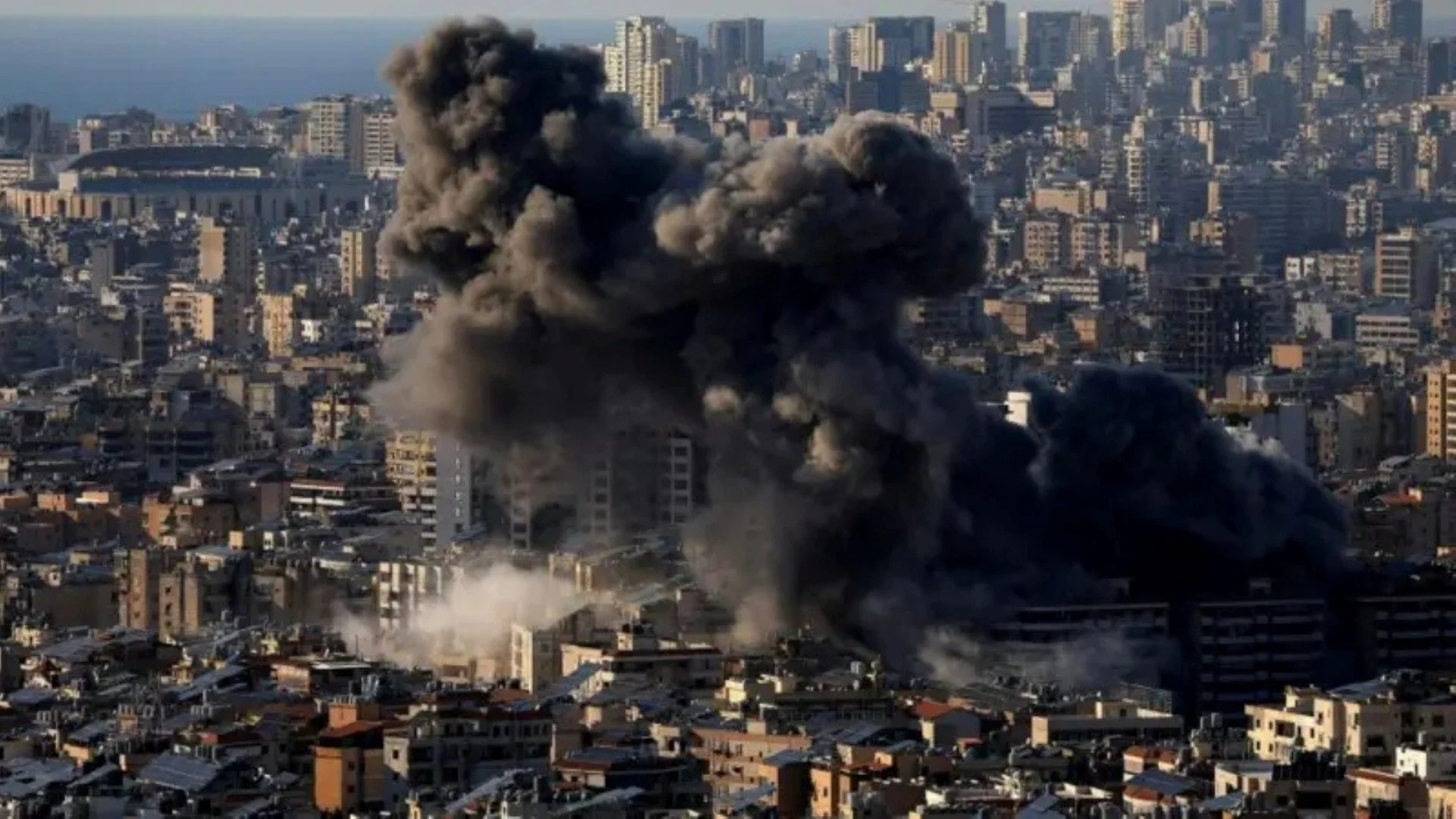
The latest wave of conflict has plunged Lebanon into a dangerous, devastating new phase. Heavy shelling and airstrikes in Beirut’s southern suburbs, southern Lebanon, and the Bekaa Valley have killed more than a thousand people and displaced well over a million. Communities have been uprooted at a moment’s notice. Parents flee with children in their arms, unsure whether anywhere in the country is safe. Our partners on the ground speak of overwhelmed hospitals, terrified families, and shortages of even the most basic necessities.
One Lebanese partner offered this heartfelt testimony: “We cannot preserve what has been lost. But we can help preserve dignity, care, and community, because even in war, compassion must remain stronger.” To hear such words in the midst of bombardment is to glimpse the courage and resilience that defies despair. It is a reminder that hope is not sentiment, it is survival.
Across the region, the crisis continues to ripple outward. In Iraq, communities are increasingly caught in the crossfire of US strikes on pro‑Iran militias and Iranian attacks on US‑linked sites. Life was already fragile, shaped by years of economic strain and political uncertainty. Now many fear a return to deeper instability.
In Syria, more than 130,000 people have crossed the border from Lebanon in recent days, many with no resources, no shelter, and no certainty about what comes next. Syria’s humanitarian infrastructure, already stretched to breaking point, cannot absorb such an influx without immense hardship. Partners warn that any further escalation could drive even more displacement, pushing communities beyond the edge of survival.
And across Palestine and Israel, the widening conflict has made an already harrowing situation even more perilous. Settler violence and land confiscation continue to escalate. In the West Bank, movement restrictions and missile threats have become daily realities. In Gaza, civilians endure catastrophic shortages of food, water, medicine, and safe shelter. Yet even in the direst circumstances, our partners persist in serving their communities with extraordinary courage. These are our siblings. Members of our household.
“End times” theological speculation risks excusing human suffering & distorts the true message of the Gospel
Christian faith calls us to moral clarity, yet the fog of war can distort our vision. End‑times speculation that interprets conflict as an inevitable sign of the last days risks reducing real suffering to prophetic symbols and excusing indifference by framing violence as destiny. This distorts the Gospel into a system of predictions rather than an invitation into love, justice, and mercy.
Nowhere does Jesus ask us to decode global events like cosmic puzzles. Instead, Jesus calls us to presence. To draw near to the wounded, the hungry, the displaced, and the fearful. He calls us to make peace, to shelter the vulnerable, and to love our neighbour as ourselves. Ephesians 2:19 dismantles the notion that we can stand at a comfortable distance from the suffering of others. There is no distant “them.” There is only “us” the one household of God, bound together in Christ.
We are part of the one household of God - so we must choose hope
Hope is not optimism that things will improve quickly. Hope is a discipline. A refusal to surrender our humanity coupled with a determination to believe that God is still at work even when violence, fear, and injustice threaten to turn out the light. Our partners across the region embody this kind of hope. They bind wounds both mental and physical. They distribute food in cities filled with rubble. They offer counselling to traumatised children. Their hope is not theoretical, it is incarnational. To “keep hope alive,” as our latest appeal declares, is not to close our eyes to suffering. It is to open them wider, and then to act.
If we take Ephesians 2:19 seriously, then our response must be rooted in kinship and partnership. We pray for our siblings with open eyes. We learn by listening deeply to the voices of those living through this crisis. We speak out for civilian protection, de-escalation and justice. We give to share the burden of our sisters and brothers.
I know that the world feels frightening right now. But fear, violence and speculation do not have the final word. The final word is the one spoken over us all in Christ. We all belong to the one household of God.
And because we belong to one another, we choose hope. not as an escape from reality, but as the courage to engage with it. As Mother, now Saint Terresa said, “If there is no peace, it is because we have forgotten that we belong to one another.” As the bombs keep falling, hope is the quiet insistence that the familial bonds of belonging must remain stronger.